

¿Cómo pueden las marcas internacionales de productos para mascotas garantizar unos servicios de abastecimiento fiables en China para la fabricación de peluches de perro?
10 de septiembre de 2026
Global pet brands face complex challenges when they source custom dog plush toys from overseas manufacturing hubs. Procurement teams must balance safety regulations, material durability, and production consistency across large volume orders. This article examines the core strategies required to evaluate and select professional manufacturing partners for stuffed pet products. Securing high-grade inventory demands rigorous factory verification, strict chemical testing, and comprehensive supply chain oversight from initial prototype development to final port export.
The primary solution relies on deploying professional China sourcing services to inspect factory floors and manage production timelines. Experienced agents verify stitching strength, material non-toxicity, and sewing precision before bulk shipments leave the warehouse. Importers mitigate financial risks and protect consumer trust by establishing clear quality benchmarks with local manufacturing specialists.
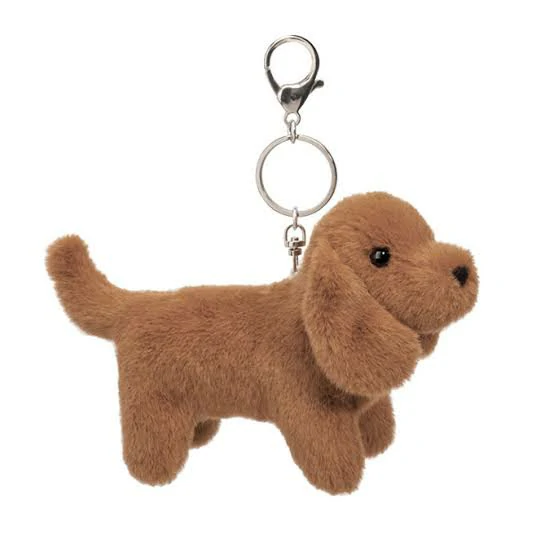
Material Safety and Compliance Standards for Plush Toys
Sourcing safe animal dog plush toys requires strict adherence to international chemical and mechanical safety regulations. Importers must ensure that fabrics, stuffing fibers, and plastic components contain zero hazardous substances. Testing laboratories check items for heavy metals, phthalates, and formaldehyde compliance before approving mass production runs.
Regulatory frameworks vary significantly across North American and European retail markets. Toys distributed in the United States must comply with ASTM F963 standards, while European shipments require EN71 certification. Procurement managers must demand valid test reports from accredited third-party laboratories like SGS or Intertek for every production batch.
Regulatory Compliance Matrix for Pet Plush Manufacturing
| Región | Primary Safety Standard | Mandatory Testing Requirements | Responsible Authority |
| United States | ASTM F963 | Heavy metals, physical hazards | CPSC |
| European Union | EN71 | Chemical migration, flammability | EU Commission |
| International | ISO 8124 | Mechanical strength, toxicity | ISO |
Manufacturers using certified organic cotton or recycled polyester must provide verifiable Chain of Custody documentation. Reliable product sourcing services help verify material origins and prevent unauthorized fabric substitutions during active manufacturing cycles.
Factory Audits and Labor Evaluation Protocols
Factory capability audits determine whether a supplier can handle complex plush toy designs without compromising build quality. Evaluation teams inspect stitching machinery, metal detection equipment, and stuffing workstations during unannounced facility visits. Skilled labor directly influences seam durability and embroidery precision on pet toys.
Ethical manufacturing standards remain a top priority for corporate buyers and retail chains. Facilities must maintain safe working conditions, fair wage structures, and reasonable working hours for all production personnel. Independent social audits confirm that manufacturing plants respect labor laws and protect worker welfare.
- Inspect needle-detection machines to prevent sharp metal fragments from entering finished plush toys.
- Review stitching line efficiency and operator training records for complex multi-piece patterns.
- Check warehouse storage conditions for raw fabrics to prevent moisture damage and mold growth.
- Verify waste management protocols for leftover stuffing materials and fabric scraps.
Quality Control Procedures During Mass Production
Maintaining uniform quality across tens of thousands of units requires structured inspection protocols at every production phase. Quality control teams check raw materials upon arrival before cutting fabrics into specific toy shapes. Inline inspections catch stitching defects, loose threads, and incorrect embroidery placements early in the assembly cycle.
Pre-shipment inspections follow Acceptable Quality Limit standards to evaluate finished batches before final packaging. Inspectors test bite resistance, seam tensile strength, and squeaker durability to ensure toys withstand aggressive chewing from large dogs. Reliable quality China sourcing services eliminate defective units before goods load into shipping containers.
Ready to streamline your supply chain? Contact our team today to discuss custom plush toy manufacturing specifications.
Supply Chain Logistics and Cost Optimization
Managing shipping logistics and raw material costs dictates overall profit margins for seasonal pet product lines. Fabric prices fluctuate based on petroleum markets and agricultural yields for cotton crops. Procurement specialists negotiate long-term raw material contracts to stabilize unit costs across multi-season orders.
Consolidating component sourcing and final assembly under one roof reduces intermediate transport expenses and lead times. Utilizing a dependable one stop sourcing solution helps brands manage export documentation, customs clearance, and freight forwarding efficiently. Strategic logistics planning ensures seasonal holiday inventory arrives at distribution centers on schedule.
- Negotiate volume pricing tiers for high-consumption polyester stuffing fibers.
- Optimize carton dimensions to maximize container space utilization during ocean freight transit.
- Partner with local freight forwarders to secure stable shipping rates during peak export seasons.
- Implement barcode tracking systems to monitor inventory flow from factory floor to retail port.
Customization Capabilities and Prototyping Workflows
Translating initial concept sketches into market-ready pet toys requires precise sample development and mold creation. Manufacturers must interpret design files accurately to replicate character proportions, embroidered eyes, and multi-textured fabrics. Rapid prototyping allows design teams to test durability and visual appeal before approving mass production.
Customization options include embedded squeakers, crinkle paper inserts, and reinforced ballistic nylon backing for aggressive chewers. A dedicated agente de abastecimiento de productos bridges communication gaps between brand designers and factory technicians. Clear technical data sheets prevent misunderstandings regarding stitching density, thread colors, and stuffing weights.
Preguntas frecuentes
What safety tests apply to dog plush toys exported to Western markets?
Exports require testing for mechanical hazards, flammability, and toxic chemical presence under standards like ASTM F963 or EN71.
How do sourcing agencies verify factory production capacity?
Agencies review factory floor equipment, worker headcounts, historical output records, and active machine maintenance schedules.
Why is needle detection mandatory in plush toy manufacturing?
Needle detectors ensure that broken sewing needles do not remain trapped inside plush toys, preventing pet injury.
Can factories produce custom designs from simple 2D concept drawings?
Yes, pattern makers translate 2D artwork into 3D digital prototypes and physical samples for client approval.
MarsGift supports global brands through end-to-end manufacturing management and specialized supply chain solutions. Our team handles abastecimiento de productos a medida, factory vetting, and rigorous quality inspections for pet product importers. We help businesses deliver safe, durable, and compliant merchandise to retail markets worldwide.
References:
- Consumer Product Safety Commission. Toy Safety Business Guidance. https://www.cpsc.gov
- International Organization for Standardization. ISO 8124 Toy Safety Standards. https://www.iso.org
- ASTM International. Consumer Safety Specifications for Toy Safety. https://www.astm.org