

Why is Partnering with a Specialized China Sourcing Agency the Definitive Key to Mastering China Leather Manufacturing and Suppliers?
July 15, 2026
Partnering with a dedicated China sourcing agency allows global footwear brands, luxury fashion labels, and automotive upholstery distributors to navigate the complex landscape of China leather manufacturing and suppliers efficiently. The East Asian leather manufacturing sector offers unparalleled production scalability, advanced tanning technologies, and highly integrated component supply chains.
However, international procurement teams often face significant technical hurdles, including volatile material grading standards, hidden chemical compliance risks, and variable edge-finishing qualities. A professional international sourcing agent bridges these operational gaps by conducting on-site tanyard audits, verifying chemical safety certifications, and enforcing rigorous physical material testing protocols. This targeted procurement strategy ensures that enterprise buyers reduce structural material defects, eliminate costly middleman markups, and maintain high retail margins.
For example, a prominent premium footwear brand in North America recently faced massive retail returns because a factory used top-grain leather containing excessive chrome residues. The brand engaged a localized team to audit the tannery directly, which corrected the chemical formulations and restored structural compliance within seventy-two hours. This comprehensive technical guide outlines how localized material oversight protects your initial capital investment and optimizes high-volume international product manufacturing pipelines.
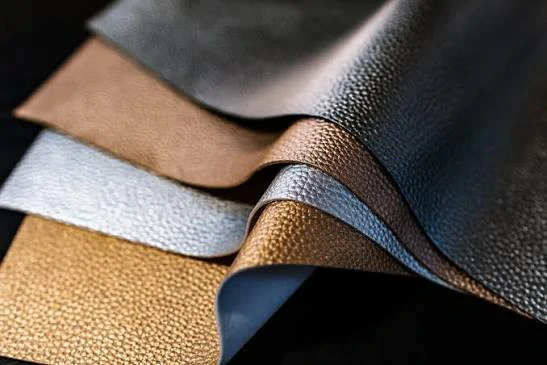
What Essential Technical Material Classifications Govern Premium Industrial Leather Procurement?
Procurement professionals must understand the distinct structural variations between different leather cuts and processing methodologies to ensure optimal product durability. The specific layer of the hide determines the tensile strength, grain pattern longevity, and ultimate market value of the finished consumer goods. Choosing the wrong material grade for heavy-duty applications can lead to premature surface cracking, unsightly color bleeding, and catastrophic product failures.
Furthermore, factories use different preservation techniques, fatliquoring formulas, and mechanical splitting processes that alter the physical properties of the hide. Experienced sourcing agents analyze these mechanical variables to align raw material selections with your specific product performance requirements. Understanding these technical divisions prevents costly misunderstandings during the initial sampling phase and guarantees that production batches meet target specifications.
The Structural Differences Between Full-Grain and Top-Grain Cutting Profiles
Full-grain leather utilizes the entire natural top layer of the hide, preserving the dense, tightly interwoven collagen fiber networks completely. This uncut structure delivers maximum tensile strength, exceptional breathability, and the ability to develop a desirable natural patina over extended usage lifecycles.
Top-grain leather undergoes a specialized mechanical sanding process that removes natural surface imperfections, scars, and irregular grain markings from the upper layer. Technicians then apply a uniform artificial grain texture and protective polymer coatings to create a flawless, highly stain-resistant aesthetic finish.
Evaluating the Performance Limitations of Split and Bonded Leather Variances
Split leather originates from the lower fibrous layers remaining after the automated splitting machine removes the premium top-grain sections. Manufacturers frequently brush this material to create soft suede or apply heavy polyurethane skins to simulate top-grade leather appearance.
Bonded leather aggregates shredded hide scraps, fibrous processing leftovers, and synthetic polymer bonding agents into a continuous composite material sheet. While this option offers minimal acquisition costs, it lacks structural longevity, exhibits low tear resistance, and suffers from rapid surface peeling under thermal stress.
How Do Global Environmental and Chemical Compliance Frameworks Restrict Leather Tanning Operations?
Western consumer marketplaces enforce strict ecological mandates regarding restricted hazardous substances, wastewater treatments, and chemical residues within consumer goods. Tanning raw hides requires intensive chemical processes, making independent laboratory testing essential to avoid expensive customs seizures and devastating product recalls. Importers must verify that their suppliers exclude restricted substances like Hexavalent Chromium, banned azo dyes, and volatile organic plasticizers entirely.
| Technical Laboratory Evaluation | Standard Regulatory Target | Primary Brand Operational Protection |
| Hexavalent Chromium Content | Under 3.0 mg/kg (ISO 17075) | Prevents severe skin irritation and eliminates customs seizure risks |
| Bally Flexing Endurance | 50,000 Dry Cycles Without Cracking | Guarantees shoe upper longevity and prevents structural finish degradation |
| Color Fastness to Rubbing | Grade 4 Minimum (Veslic Method) | Stops dye transfer onto consumer clothing during high-friction use |
| Formaldehyde Detection | Under 75 mg/kg for Direct Skin Contact | Ensures total alignment with international REACH and consumer safety codes |
Technicians run comprehensive physical testing sequences on early pre-production samples to verify tear resistance, finish adhesion, and dynamic water penetration rates. Utilizing comprehensive product sourcing services allows overseas buyers to monitor these crucial chemical and physical parameters directly at the tannery floor. This proactive quality assurance framework guarantees that every production batch complies with international environmental standards before container sealing.
What Critical Production Anomalies Must Quality Control Engineers Inspect on the Factory Floor?
On-site quality inspectors must look past superficial digital images to examine leather hides under standardized color-matching light boxes during production. Natural hides exhibit inherent color variations, fat wrinkles, and healed tick bites that can compromise the visual uniformity of high-end consumer products. Professional inspectors use strict defect classification manuals to segregate sub-standard material sections before the automated cutting dies strike the leather sheets.
- Grain Loose Discrepancy: Occurs when the upper grain layer separates from the underlying fiber bundles, causing permanent, unsightly surface wrinkling.
- Salt Stain Degradation: Arises from improper raw hide preservation methods, leaving rough, un-dyeable crystalline patches across the finished leather surface.
- Finish Peeling Defect: Results from poor chemical bonding between the protective polyurethane topcoat and the prepared leather substrate during curing.
Furthermore, cutting technicians must position patterns precisely along the natural tight-fiber spine lines to maximize the structural integrity of the components. Cutting parts from loose belly areas introduces excessive stretching, causing finished bags or shoes to lose their engineered shapes over time. Localized supply chain experts verify these technical operational parameters continuously, ensuring optimal material yields and preventing structural failures.
Why Do Localized Auditing Networks Prevent Catastrophic International Procurement Failures?
Managing overseas leather manufacturing through remote email communications often exposes international buyers to unannounced factory substitutions and hidden material downgrades. A qualified overseas sourcing agent eliminates these logistics risks by deploying certified quality auditors directly to the production lines. These field engineers monitor raw hide sorting, track exact chemical drumming times, and verify physical leather thicknesses using calibrated digital gauges.
Additionally, localized buying agencies manage complex domestic trade customs, verify factory export licenses, and organize secure multi-vendor container consolidation programs. They ensure that logistics teams pack finished leather goods into climate-controlled shipping containers equipped with industrial-grade desiccant bags. This strict environmental control prevents mold growth and stops moisture degradation during long international maritime transport journeys across changing climate zones.
If you are planning to upgrade your product catalog with certified, high-reliability custom leather components, please contact our specialized team today to receive a comprehensive technical procurement proposal.
How Do Modern Automated Finishing Technologies Elevate Leather Surface Consistency?
Traditional manual spray tanning lines introduce variable human application errors, which create inconsistent finish thicknesses and uneven coloration across single batches. Advanced leather processing facilities eliminate these cosmetic defects by installing computerized rotary spray machines and automated roll-coating engineering systems. These robotic configurations maintain perfectly uniform chemical deposition volumes, delivering absolute color consistency across thousands of square meters of leather.
Furthermore, automated multi-axis CNC laser cutters trim finished leather hides with extreme mathematical precision according to digital pattern blueprints. This computer-controlled cutting process eliminates human blade slippage errors, ensures perfectly smooth component edges, and maximizes raw material utilization rates. The resulting leather parts feature flawless stitch-line margins, which facilitates rapid, high-precision assembly and produces perfectly aligned structural seams.
Frequently Asked Questions Regarding China Leather Manufacturing
How does an international sourcing agent verify real factory manufacturing capacities?
An overseas sourcing agent performs physical site inspections to evaluate operational machinery assets, review workforce staffing levels, and check historical shipping ledgers. This verification process separates primary industrial tanneries from small trading brokers who inflate their actual production capabilities online.
What are the standard production lead times for customized leather goods manufacturing?
The average turnaround time ranges from forty-five to sixty days after the engineering team signs off on the final pre-production sample. This comprehensive timeline covers raw hide sorting, custom chemical tanning, color matching trials, physical laboratory stress testing, and cargo container loading.
Why do leather manufacturing costs fluctuate across different East Asian industrial hubs?
Regional cost variations stem from localized differences in wastewater treatment infrastructure compliance, local labor rates, and proximity to primary deep-water shipping ports. Working with a global purchasing agent helps brands balance these regional cost factors against target material quality requirements.
Scale Your Global Footprint with Marsgifts Supply Chain Expertise
As a trusted international sourcing agent, Marsgift coordinates elite manufacturing and private label branding solutions for growing enterprises worldwide. We operate an extensive, fully audited network of premium leather production facilities that guarantee precise material fabrication and total compliance with global safety codes. Our comprehensive sourcing agency portfolio supports custom footwear development, luxury fashion accessories, premium corporate gifts, and technical automotive upholstery components. Marsgift integrates real-time factory floor inspections, rigorous chemical laboratory testing, customized product packaging development, and complete international customs documentation management into every client project. We focus on reducing your total product acquisition costs, eliminating overseas shipping delays, and providing exceptional engineering support to product design teams globally.
References
- Review international leather performance definitions, testing standards, and sustainability frameworks on the Leather Working Group Official Portal.
- Examine statutory chemical compliance parameters, heavy metal restrictions, and environmental consumer safety rules via the European Chemicals Agency Resource Portal.